Hello everyone!
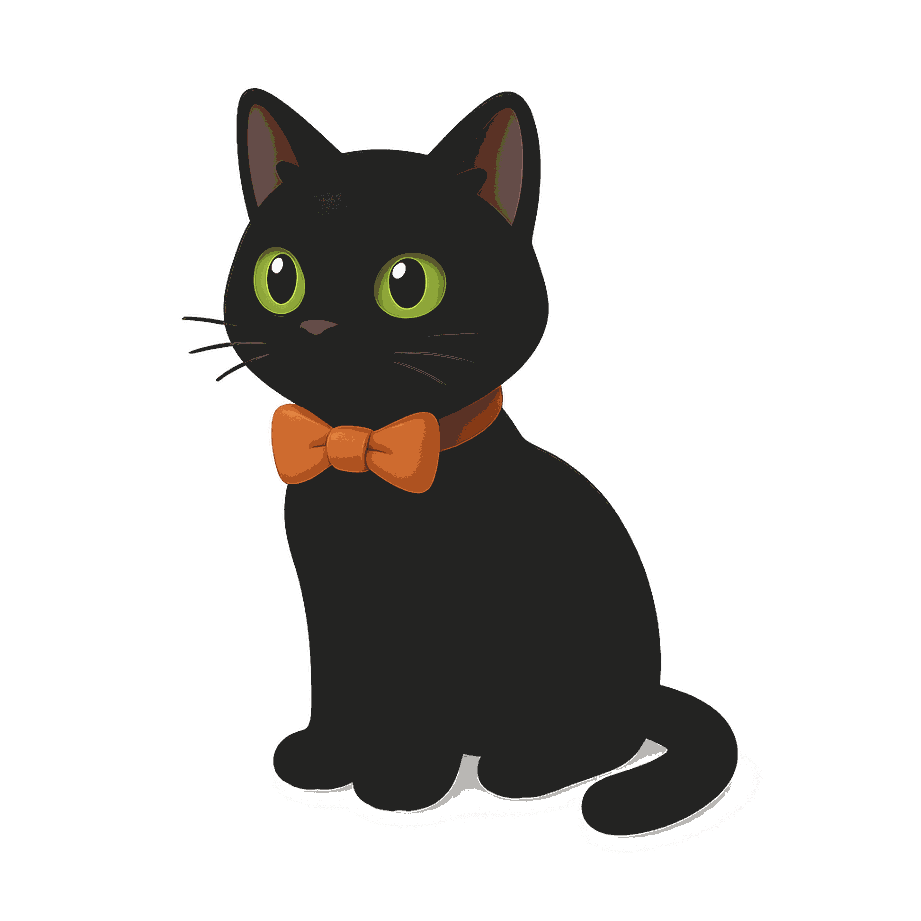
We've got a few furry friends at home, and one of them is our mischievous cat, Tisha.
My cat, Tish, is now almost 12 years old and has been dealing with kidney stones since she was three. At first, it was just frequent urination, kind of like a cystitis, and her urine analysis showed salts. But an ultrasound never showed any clear stones - they'd just say there was a lot of sediment in her bladder. The early episodes were pretty rare, happening every few years, and they'd easily clear up with a course of antibiotics and a special diet that helps break down stones. But as she's gotten older, things have gotten worse. The episodes have become more frequent, happening every six months or so, and this spring, Tish had a severe urinary blockage. She couldn't even pee a tiny bit, and she'd just circle around the litter box. It happened at night, and we barely made it to the vet's office by morning. By the time we got there, Tish was in pretty rough shape - her overall condition was pretty dire. They ran all sorts of tests and did what they could, but it took a while to get her into remission. And to make matters worse, we got a secondary diagnosis of chronic kidney disease. There's no treatment for it, it's just a matter of how long her kidneys can keep going. Remission lasted for six months, but not too long ago, the disease came back with a vengeance. Another urinary blockage, catheterization, medication, and special food. And once again, no clear prognosis... Her blood work is still showing the same kidney-related numbers, so at least it's not getting worse. There's still hope!
When I got sick, my doctor prescribed me antibiotics, usually it's either Amoxiclav in suspension/tablets or Ceftriaxone in injections. This time, we got tablets. Given the current situation in the country, many medicines are disappearing from the market, and this antibiotic is no exception. We couldn't find it in regular pharmacies, but we did find it in a pet store, and that's the hero of my review today - Sinulox in tablets.
▪️Price: 650 rubles.
▪️Number of tablets: 10 pieces.
▪️Dosage: 250 mg. There's also a 50 mg version.
▪️Active ingredient: 200 mg of amoxicillin and 50 mg of clavulanic acid.
▪️Manufacturer: Italy.
▪️Where to buy: pet stores and veterinary pharmacies.
▪️Shelf life: 2 years.
✔️PACKAGING AND OUTSIDE APPEARANCE.
The medicine comes in a cardboard box, which is quite big considering there are only 10 tablets.
The image of a cat and a dog suggests that the medicine is suitable for both.
The reverse side has the main information in Russian.
On the side, you'll find the production date and expiration date.
Inside, you'll find the instructions for use and a paper packet with the tablets.
The instructions are pretty detailed, considering the seriousness of the medication. There's even a chart for choosing the correct dosage based on your pet's weight.
The tablet itself is a pretty large, pink circle. I'm not sure why they need a pink dye in a pet medication - I think the animals would be just fine without it, haha!
The tablet has a notch so you can break it in half if needed - and it breaks easily enough.
I had to break the tablet into four parts, but it still went down easily.
✔️SIDE EFFECTS :
Sinulox is used to treat bacterial infections in dogs and cats, including:
skin conditions (such as deep and superficial pyoderma);urinary tract infections;respiratory infections of bacterial etiology (involving both upper and lower respiratory tracts);bacterial enteritis.In our case, it was a urinary tract infection. Even though the infection wasn't showing up on the tests, the vet prescribed the antibiotic as a precaution after catheterizing my bladder – which made total sense.
✔️SIDE EFFECTS :
When used as directed, side effects and complications are usually not a problem. If you do experience an allergic reaction, you'll need to stop taking the medication and get some antihistamines or other symptom relief.
I was surprised to see that the product instructions didn't mention any potential side effects, especially considering the human version of the antibiotic has a long list of them. Of course, animals can't exactly tell us when they're feeling unwell, but you can tell a lot from their behavior, and their digestive system can definitely be affected. I'm not sure if it's the manufacturer's responsibility, but I think it's worth noting that potential side effects should be included in the instructions, especially since I've read plenty of reviews where owners have mentioned their pets experienced them. We had some side effects with our Sino, but I'll get to that later.
xa0
✔️ADMINISTRATION AND DOSAGE :
The medication is administered orally. Sino is given to cats and dogs by hand or mixed with their food. Food doesn't affect the bioavailability of the active ingredients. The recommended dose is 12.5 mg (by the sum of active substances) per kilogram of body weight, given twice a day. If the illness is particularly stubborn (respiratory infections), the dose should be increased to 25 mg/kg twice a day. The treatment course is usually 5-7 days. For chronic or hard-to-treat conditions, especially deep pyoderma in dogs, the treatment course may be extended to 10-28 days.
We initially gave Sino half a tablet twice a day, but later reduced the dose by half, which I'll explain later.
xa0
✔️ADMINISTRATION AND MY IMPRESSIONS.
So, our cat weighs 5 kg, and according to the instructions, the dosage is from 1/4 to 1/2 tablet, taken twice a day. The vet prescribed the maximum dose, arguing that our cat has chronic issues and the condition often relapses. Honestly, I was taken aback by this dose for an old cat with kidney problems; I double-checked with the vet, expressing my concerns, but they insisted. Okay, I decided to follow their advice.
Tiasha went through general anesthesia during the catheterization, and it took him a long time to recover. Meanwhile, we started giving him sinulox.
The tablets have an unpleasant smell, one that's familiar to many, like penicillin – I can spot it a mile away, and I hate this antibiotic; it gives me a gag reflex. Apparently, animals have a similar experience.
The tablet for our cat was quite large, even half of it was a challenge to administer. Initially, I tried to give it whole, but then I realized it's better to break it into quarters. I'd pour water from a syringe on top to make it go down.
Tiasha is one of those animals who can take almost any tablet without a fuss; he's gotten used to it, unfortunately, and tolerates these manipulations quite well. But this time, he started panicking, and the tablet would dissolve instantly, leaving this bitter, pink mess in his mouth. He'd try to spit it out, cough... It was really tough to give him these tablets.
Approximately 1.5 to 2 hours after administration, Tiasha would start vomiting, and he'd throw up around 4-5 times a day. Needless to say, he had no appetite; he barely ate anything. It was clear how poorly he was doing, but we also attributed some of it to the aftereffects of the anesthesia.
As time went on, by day three I realized it was the tablets causing the issue, so I called the vet and got a response that left me speechless: 'Just reduce the dose by half.' Are you kidding me? I had been arguing with them about the dosage from the start...
So, for the rest of the days (a total of 7), we gave Tish 1/4 of a tablet twice a day. The vomiting stopped, but the nausea seemed to linger, because for all 7 days, the cat barely ate anything, and then on the 8th day, their appetite suddenly returned - no coincidence, I'm sure. Plus, their overall condition improved dramatically on the very first day without the tablet. Otherwise, the cat was sleeping most of the day.
From a stool perspective, there were also some irregularities in the form of diarrhea for a few days, which eventually passed on its own. I'm pretty sure the cat's stomach was also upset, because it was rumbling loudly in the room.
As for the effect, it's hard to evaluate in this case, since Sinulox was prescribed more as a preventive measure after a catheterization. But one thing I can say for sure: Tish has never had such side effects from human Amoxiclav (the same antibiotic). I'm making an educated guess that this medication is indeed worse than what you'd find in a human pharmacy.
Needless to say, I'm unlikely to give Sinulox to my pets again in the future. I'll be looking for alternative options.
Tish is getting better now, although they're not quite back to normal yet, but we're hopeful!
xa0
➕ADVANTAGES :
Wide range of action.➖DISADVANTAGES :
The tablet is huge.The dosage is a real pain.It's got a pretty nasty smell.Even giving it to our calm cat is a challenge.It's got some pretty nasty side effects.xa0
I'm definitely not buying Sinulox again and I wouldn't recommend it to anyone.
xa0
Thanks for your attention. Wishing you and your furry friends good health!
xa0
➡️If you're looking for a dry food for spayed or neutered cats that's suitable for our old cat with kidney stones, this might be the one.
A few of you might be interested in reading about Tishu, so you can find that ➡️here