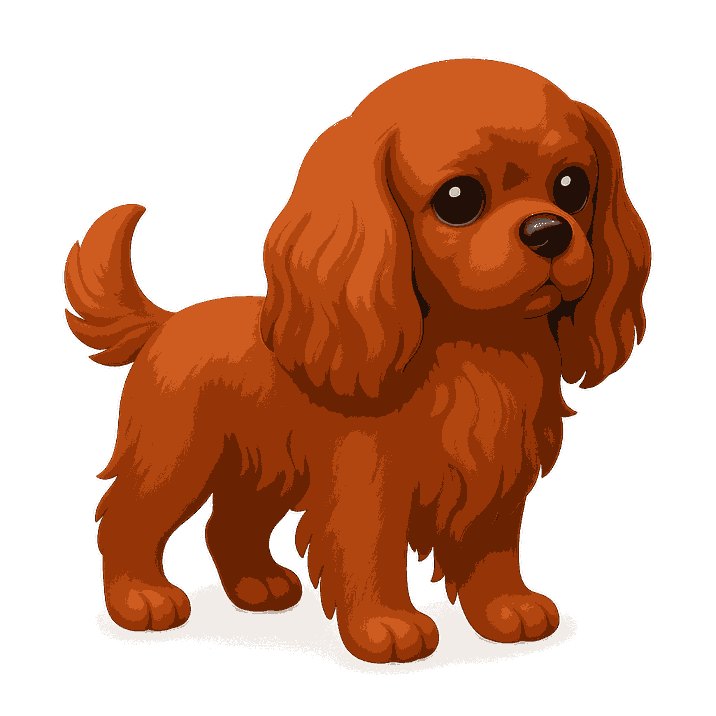
Belgian Griffon
My Life-Changing Griffon Experience: Meet Duśka and LaLa
summarizeEditor's Summary
I've been a griffon owner for six years now, and let me tell you, it's been a wild ride. From the charming beards of the Belgian Griffon to the playful antics of my two mischievous fur babies, Duśka and LaLa, I've learned a thing or two about these lovable creatures. But what really sets griffons apart is their unique blend of affectionate and independent personalities. Whether you're a seasoned dog owner or just starting out, I highly recommend giving griffons a try – just be prepared for a lifetime of love, laughter, and a few grey hairs. With their low-maintenance requirements, high intelligence, and adorable looks, it's no wonder why griffons are gaining popularity as family pets. But, like any breed, they're not without their quirks and challenges. From health issues to stubbornness, I'll give you the lowdown on what to expect from these lovable furballs.


settingsSpecifications
live_helpFeatured FAQ
What's the difference between a Belgian Griffon and a Brussels Griffon?
While both breeds share some similarities, the Belgian Griffon has a charming beard and a medium-length coat, whereas the Brussels Griffon has a wheat, red, or black-and-tan coat. Both breeds are known for their friendly, outgoing personalities and make great companions for families and individuals alike.
How much exercise do griffons need?
Griffons require regular exercise to stay happy and healthy. Aim for at least 30 minutes of moderate exercise per day, whether that's a brisk walk, a game of fetch, or a fun romp in the park.
Are griffons good with children?
Absolutely! Griffons are known for their patient and gentle nature, making them a great choice for families with kids. Just be sure to supervise interactions between children and griffons, especially when they're young or still learning the ropes.
Can griffons be trained?
Yes, griffons are highly intelligent and trainable. With patience, consistency, and positive reinforcement, you can teach your griffon to sit, stay, come, and even perform some fun tricks.
What's the average lifespan of a griffon?
The average lifespan of a griffon is around 12-15 years, depending on factors such as diet, exercise, and health conditions.
Do griffons shed much?
Griffons are known to be moderate shedders, especially during shedding season. Regular brushing and grooming can help reduce shedding and prevent matting and tangling of their coats.
Can griffons be left alone for long periods?
While griffons are generally happy to entertain themselves, they do require regular attention and interaction. If you have a busy schedule, consider hiring a dog walker or asking a trusted friend or family member to check in on your griffon.
Are griffons prone to any specific health issues?
Yes, griffons can be prone to health issues such as hip dysplasia, eye problems, and allergies. Regular veterinary check-ups and a balanced diet can help prevent or manage these conditions.
check_circlePros
- •Duśka and LaLa's affectionate nature makes them perfect companions
- •Griffons are relatively low-maintenance pets, requiring only moderate exercise
- •Their independent streak means they're happy to entertain themselves, making them a great choice for busy owners
- •The variety of griffon breeds means there's one to suit every lifestyle and preference
- •Griffons are highly intelligent and trainable, making them a joy to work with
- •Their unique appearance – from the Belgian Griffon's charming beard to the Petit Brabançon's sleek coat – is sure to turn heads
- •Griffons are generally good with children, making them a great choice for families
- •They're relatively easy to groom, with a short coat that requires minimal maintenance
cancelCons
- •Griffons can be prone to health issues, such as hip dysplasia and eye problems
- •Their independent nature can sometimes make them stubborn or difficult to train
- •Griffons require regular grooming to prevent matting and tangling of their coats
- •Their high energy levels mean they need plenty of exercise and mental stimulation
- •Griffons can be noisy, especially when they're barking or whining for attention
- •Their strong wills can sometimes make them challenging to manage, especially for inexperienced owners
- •They can be prone to separation anxiety, so they need plenty of attention and interaction
- •Griffons may require more frequent vet visits due to their potential health issues